SpaceX approved for 1 million satellites to host space data centers
The FCC granted the authorization on Wednesday, setting a 2033 deadline for the first station while scientists warn of debris risks and sky pollution.
By Robert Ward ·
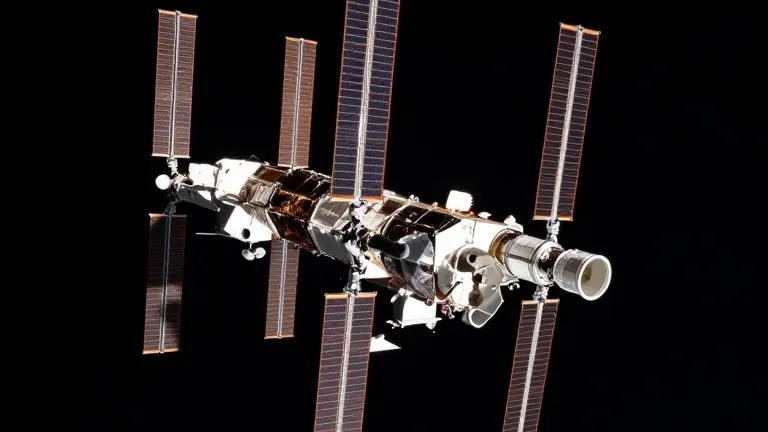
The Federal Communications Commission issued an order on Wednesday permitting SpaceX to launch one million satellites. These units will form a constellation named Starmind, which the company intends to use for orbital data centers. The agency described the move as a historic first in the race to advance artificial intelligence.
SpaceX must deploy at least one space station by 2033. The company will then add more modules through 2040. FCC Chairman Brendan Carr stated that the decision opens a bold new frontier. He claimed America is leading the world into an era of super intelligence.
Elon Musk has long proposed using solar power in space to run AI tools on Earth. He welcomed the FCC decision on social media. Proponents argue that space-based computing would reduce strain on Earth's power grids. It would also lower the demand for large computing facilities that require water for cooling.
Scientists question whether the plan is feasible. Adam Becker, an astrophysicist and author, called the project a fantasy. He stated on Wednesday that it is not going to happen. Becker noted that space is a vacuum that traps heat inside objects. There are basic physical limits to radiating that heat away.
Becker and other experts point to environmental risks. Launches and reentries could pollute the atmosphere. Collisions in orbit might create a cloud of debris in low Earth orbit. This area already hosts essential weather and telecommunications satellites. A cascading series of crashes could further clutter the space.
The FCC said the Starmind constellation follows its orbital debris rules. The agency acknowledged receiving a substantial number of public comments. These included petitions to deny the request. The FCC ruled that the deployment serves the public interest. It dismissed environmental concerns as outside its authority.
Several groups urged the regulator to deny the plan. The American Astronomical Society, Viasat, and Kuiper Systems filed objections. The AAS called the decision disheartened and dismayed. It argued that larger and brighter satellites would be visible in the night sky for longer periods. This would interfere with astronomical observations.
Becker agreed that the constellation would pollute the night sky to the naked eye. Viasat, Amazon, SpaceX, and the FCC did not immediately respond to requests for further comment on Wednesday.