Ron Howard Explains His Journey Directing the Richard Avedon Documentary
The director discusses how initial doubts about directing a fashion photographer's biography evolved into a deeply personal narrative exploring the artist's life and legacy.
By News Media House Staff ·
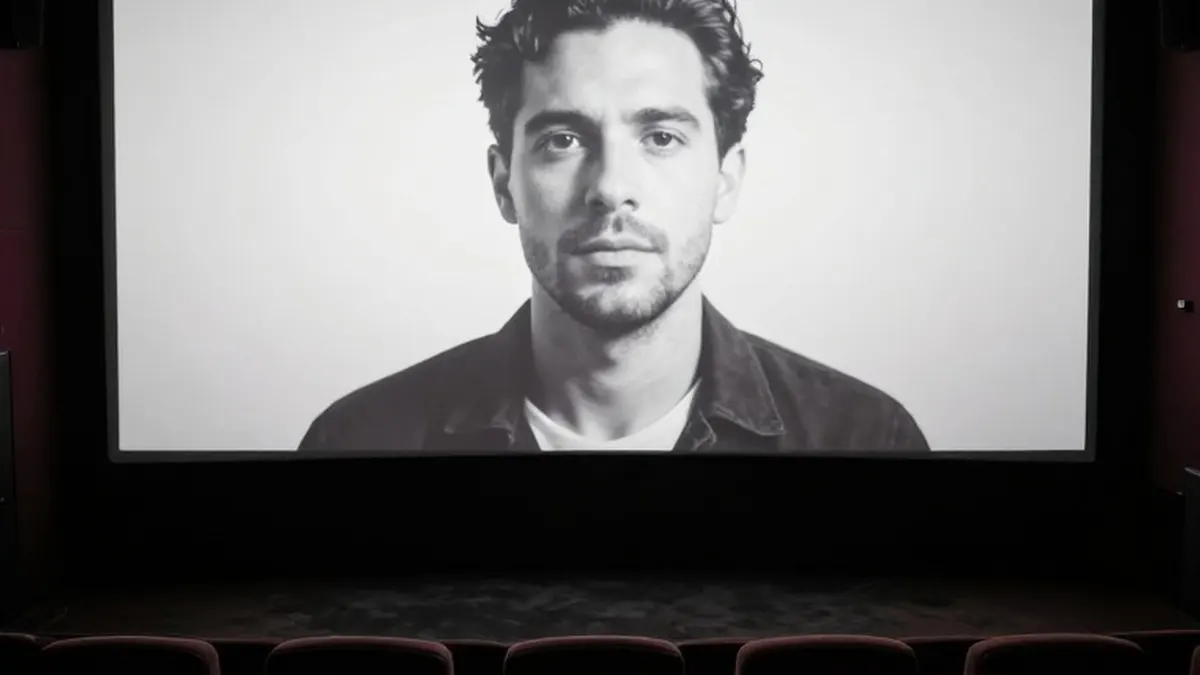
Ron Howard has established a multifaceted career in cinema, operating effectively both in front of and behind the camera. He has directed scripted features and documentary works alike. However, when his production company, Imagine Entertainment, began exploring a biographical documentary about the renowned fashion photographer Richard Avedon, Howard expressed uncertainty about whether he was the ideal choice to lead the project.
During a screening at the SCAD Film Festival on October 28, Howard recounted his initial hesitation. He noted that the Avedon Foundation granted him access to the artist's extensive archives. While he was immediately impressed by the breadth of the work, he questioned his own suitability as a filmmaker for such a specific subject. He viewed the project primarily as an opportunity to explore the behind-the-scenes processes that resulted in the memorable photographs.
As Howard conducted further research, his perspective shifted. He discovered that the material connected with him as a profoundly human story rather than a simple collection of anecdotes regarding photographic techniques or the glamorous subjects who sat for the camera. He identified with Avedon's drive and ambition, despite their differing personalities. Howard described Avedon as an extrovert who thrived in social settings, in contrast to his own preference for avoiding parties.
The resulting film, currently streaming on Netflix, weaves together Avedon's commercial and historic works with commentary from notable collaborators. The documentary features insights from former magazine editor Tina Brown, model Lauren Hutton, and choreographer Twyla Tharp. It examines Avedon's legacy as an artist with strong creative and political convictions, while also highlighting his internal struggle to balance his professional passions with his roles as a husband and father.
Producer Sara Bernstein, president of Imagine Documentaries, provided technical details about the film's construction during a question and answer session. She explained that while the final cut includes 500 photographs, the production team reviewed 16,000 sittings. Bernstein noted that the project evolved from focusing on a select number of hero images to using the photographs as a backdrop for the latter half of the 20th century. This approach allowed the filmmakers to match images with specific historical moments and personalities.
A significant element of the documentary is the inclusion of Richard Avedon's son, John, who is also a writer. His son, Michael, continues the family legacy as a fashion photographer. Howard described John as a reluctant interviewee, though he supported the project. Howard approached John by explaining that the film lacked an intimate, personal perspective that existed outside the studio environment. John recognized the need to fill that gap, which added a generational dimension to the narrative concerning fathers and sons.
In a poignant final scene, the late photographer offers a cautious prediction about the future of his art form. Avedon, who died in 2001, stated that he did not believe photography would exist in the future, suggesting that machines would take over. This quote serves as a thematic anchor for the film's conclusion.
Howard was asked to speculate on how Avedon might view the current landscape, particularly the rising debate between traditional art and artificial intelligence. He suggested that Avedon would likely continue using his preferred tools, such as white paper and a three-by-five camera, as a means of communication and exploration. Howard believes Avedon would remain relevant because his work carries the distinct hand of a creator. He also predicted that Avedon would use AI as a tool to advance his aesthetic rather than shunning it, provided he remained in control of the process.
Originally published by News Media House
More News · National news · Report a business · Got a Story?