Court records reveal debate over constitutional limits of Rep. Ilhan Omar home search
Unsealed documents show a magistrate judge and federal attorneys resolved a dispute regarding the Speech or Debate Clause before authorizing the search of the Minnesota Democrat's residence.
By News Media House Staff ·
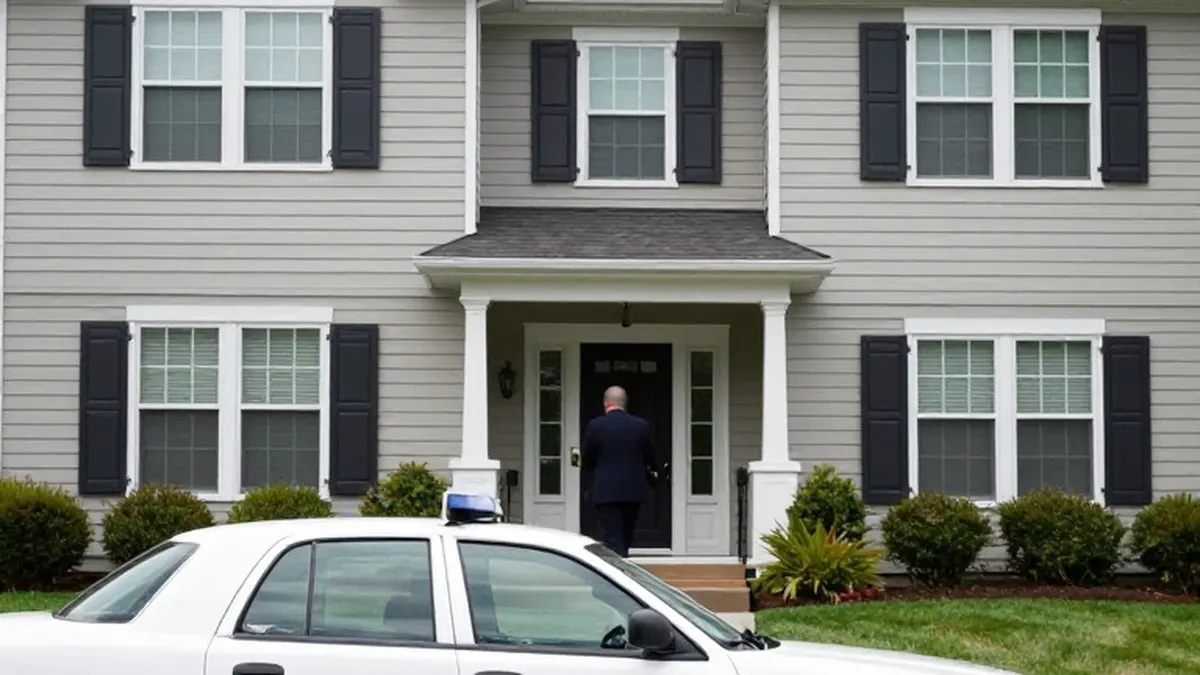
Court documents unsealed on Monday, November 24, detail a significant legal debate between federal prosecutors and a magistrate judge regarding the constitutional implications of searching the private home of U.S. Representative Ilhan Omar. The filings reveal how the parties navigated the complex intersection of executive branch investigative powers and the specific privacy protections afforded to sitting members of Congress. The documents were released following a lawsuit filed by various media organizations seeking greater transparency into the process.
U.S. Magistrate Judge Matthew Sharbaugh authorized the search conducted by Department of Homeland Security agents. Before granting the warrant, Sharbaugh raised concerns about the Speech or Debate Clause of the Constitution. This clause is designed to shield legislators from executive interference or intimidation and includes a privilege against compelled disclosures. The judge disagreed with the government's initial argument that this privilege was restricted solely to official congressional offices and specific electronic devices.
In his ruling, Sharbaugh wrote that the government's logic did not hold, concluding that the law-enforcement interests needed to be balanced against the representative's constitutional rights. The disagreement was resolved when the government agreed to a specific search protocol. This arrangement allowed Omar to invoke her privilege over any material covered by the Speech or Debate Clause before agents physically carried out the search of her Washington, D.C., home on October 12.
The heavily redacted filings do not appear to disclose new details about the underlying investigation or its outcome. Federal authorities are investigating potential fraud in the family's immigration paperwork. The Associated Press reported last month that grand jury subpoenas have been issued to some of Omar's relatives. The investigation remains ongoing, and the unsealed records do not clarify whether charges will eventually be filed.
Chief Judge James Boasberg ordered the partial unsealing of the filings after more than a dozen news organizations, including The Associated Press, argued that the public has a First Amendment right to access the records. Boasberg agreed with the government's position that unsealing a separate 67-page search warrant affidavit would be premature. The government argued in a filing last month that releasing those sensitive details before a charging decision was made could jeopardize the investigation.
Omar, a naturalized U.S. citizen born in Somalia, has not been charged with any crimes and has denied any wrongdoing. She has stated that the investigation is politically motivated, a claim that aligns with her frequent targeting by anti-immigrant rhetoric from President Donald Trump and his Republican allies. An attorney for the representative did not immediately respond to emails seeking comment on the newly unsealed documents.
The timing of the search drew additional attention because it occurred less than a month before the November 3 midterm elections, during which Omar won her reelection bid. The Justice Department has historically avoided public investigative actions involving candidates within 60 days of an election. According to Omar, agents seized 17 items during the court-authorized search, including phones, notebooks, a vintage camera that her husband received as a gift, and a Somali-language children's book.
The unsealing of these documents marks a significant step in the transparency of the case, though key details regarding the specific evidence found and the next steps in the legal process remain under seal. The legal dispute highlights the ongoing tension between congressional privilege and federal investigative authority in high-profile criminal cases.
Originally published by News Media House
More News · National news · Report a business · Got a Story?