Senators advance permitting reform as Trump heads to Asia for high-stakes talks
Key legislative moves in Washington coincide with the president's diplomatic mission to meet global leaders in the Philippines and China.
By News Media House Staff ·
Senate Republicans made significant progress on Monday by moving forward with a bipartisan package aimed at reforming federal permitting processes. This legislative effort seeks to streamline approvals for major energy and infrastructure projects, a topic that has reached a critical stage in Washington. To further explore the proposals currently navigating Congress, key lawmakers, industry leaders, academics, and advocates are scheduled to join a discussion hosted by The Hill at 8 a.m. EST on Tuesday.
In other budgetary developments, the upper chamber released a defense spending bill valued at nearly $1.1 trillion on Monday. The legislation involves shifting approximately $69 billion from the Pentagon’s proposed $350 billion reconciliation package into the regular budget. Lawmakers are working under the pressure of a government funding deadline set for December 11.
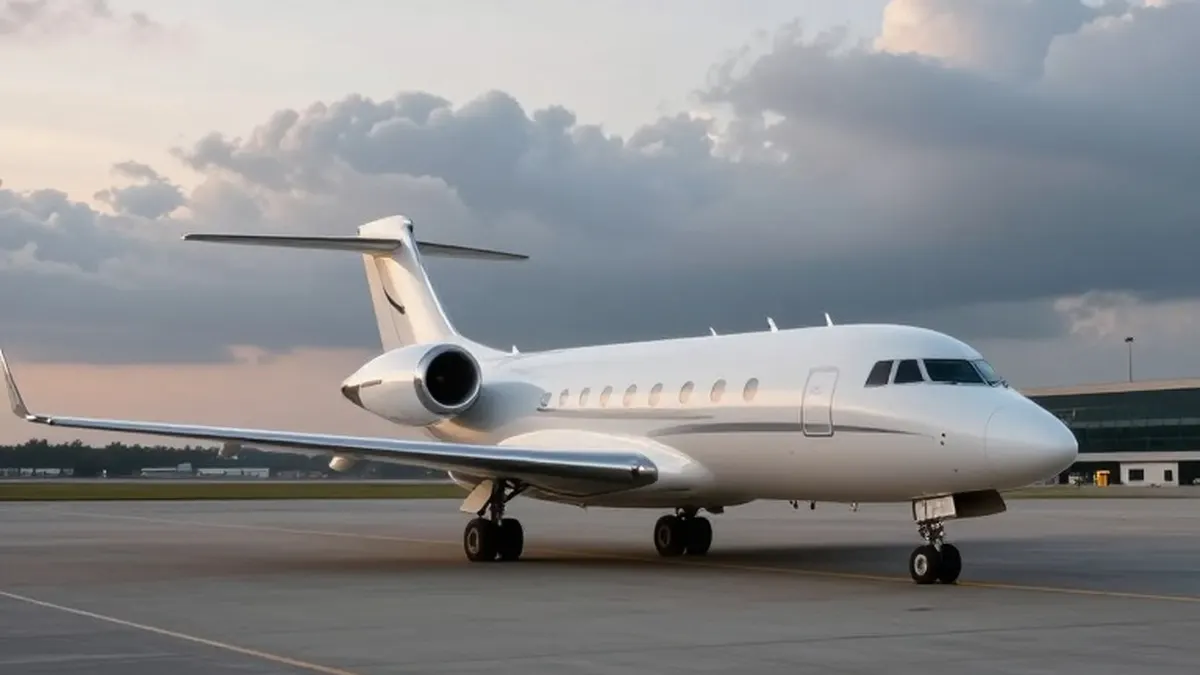
President Trump began his four-day trip to Asia with some logistical challenges. Extreme weather in Anchorage, Alaska, forced Air Force One to reroute to Fairbanks on Monday for refueling before the aircraft continued its journey to the Philippines. The president arrived in Manila early Tuesday to take part in the ASEAN Summit.
The diplomatic agenda for the trip is high-stakes. Trump is expected to meet with Chinese President Xi Jinping and Russian President Vladimir Putin. Artificial intelligence and national security are among the primary issues on the table. The trip also highlights ongoing tensions in U.S.-China trade, particularly regarding Nvidia. The president has voiced support for the return of former CEO Jensen Huang, weighing in on the future of the major technology player.
The summit is expected to take place on Wednesday on the sidelines of the Asia-Pacific Economic Cooperation summit in Shenzhen, China. This unprecedented nuclear-armed trilateral meeting has drawn comparisons to the Yalta Conference of World War II. While the specific agenda remains somewhat unclear, Trump indicated that global conflict would be central to the discussions, with the three powers deliberating on the fate of other nations.
Speaking to reporters in Manila, the president addressed the reported threat of a dirty bomb from Iran. He stated that he takes the threat very seriously because the Iranian leadership is crazy. Trump said the administration is investigating the reported plans to drop such a device on Washington and warned that if it happens, the country will pay a price unlike any before. When asked if the threat was imminent, he replied that he hopes it is not.
In the House, Minority Leader Hakeem Jeffries is positioned to win the Speakership in the next Congress, backed by a large Democratic majority. However, his path to the gavel is not without obstacles. Outside liberal groups concerned that Jeffries is too moderate are searching for an eleventh-hour challenger. Additionally, a significant number of incoming first-term lawmakers, some of whom have questioned his leadership abilities, remain undecided about their support.
The race for Senate Democratic leadership is also heating up. Senator Chris Van Hollen claims to have secured 15 votes to become majority leader in his contest against Senator Chuck Schumer. Despite this, Van Hollen is still viewed as an underdog, and his supporters are keeping a low profile. To gain momentum, Van Hollen needs more endorsements. High-profile progressives, including Senators Elizabeth Warren, Patty Murray, Martin Heinrich, and Ron Wyden, have not yet publicly declared how they will vote.
Allies of Schumer expect Murray and Wyden to back their candidate. Both senior lawmakers are in line to chair powerful committees, including Appropriations and Finance. Their support will be crucial in helping Schumer craft the agenda for the new Democratic Congress.
Meanwhile, Transportation Secretary Sean Duffy is continuing to press Congress for $50 billion to modernize the nation’s air traffic control system. This push follows a recent nationwide ground stop that disrupted thousands of flights, highlighting the urgent need for infrastructure upgrades.
Originally published by News Media House
More News · National news · Report a business · Got a Story?