Study reveals US hyperscale data centers match energy use of entire states
New Harvard research indicates that the largest data centers in the United States consume electricity comparable to small nations while emitting significant carbon dioxide.
By News Media House Staff ·
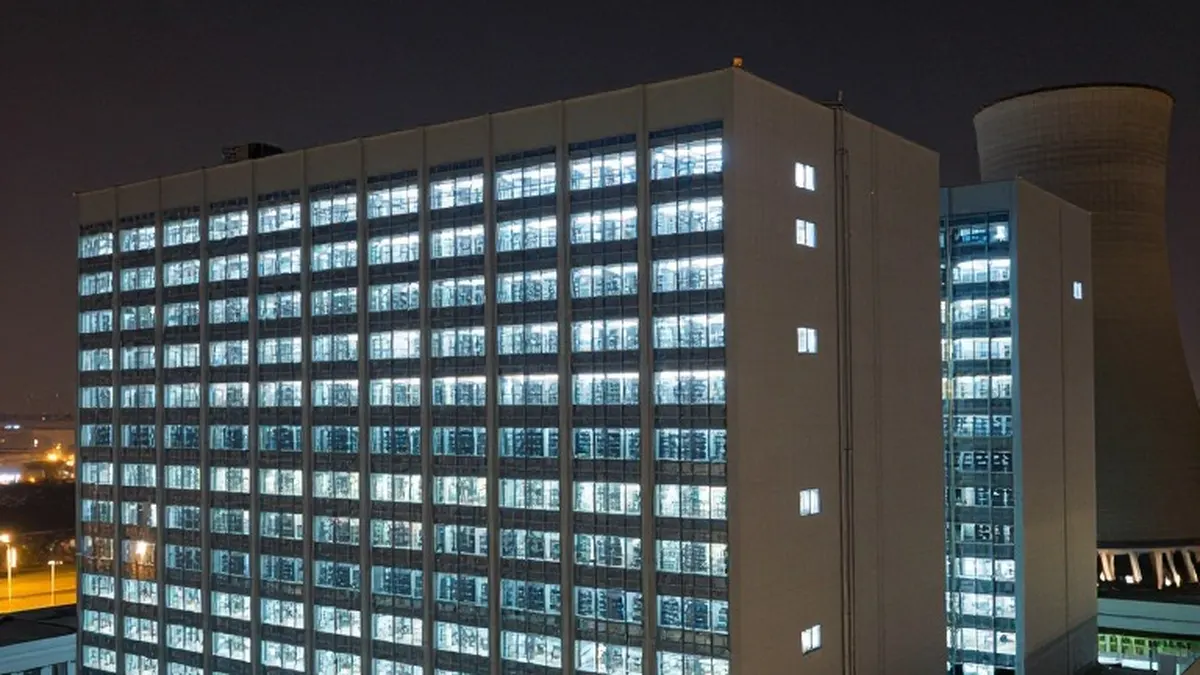
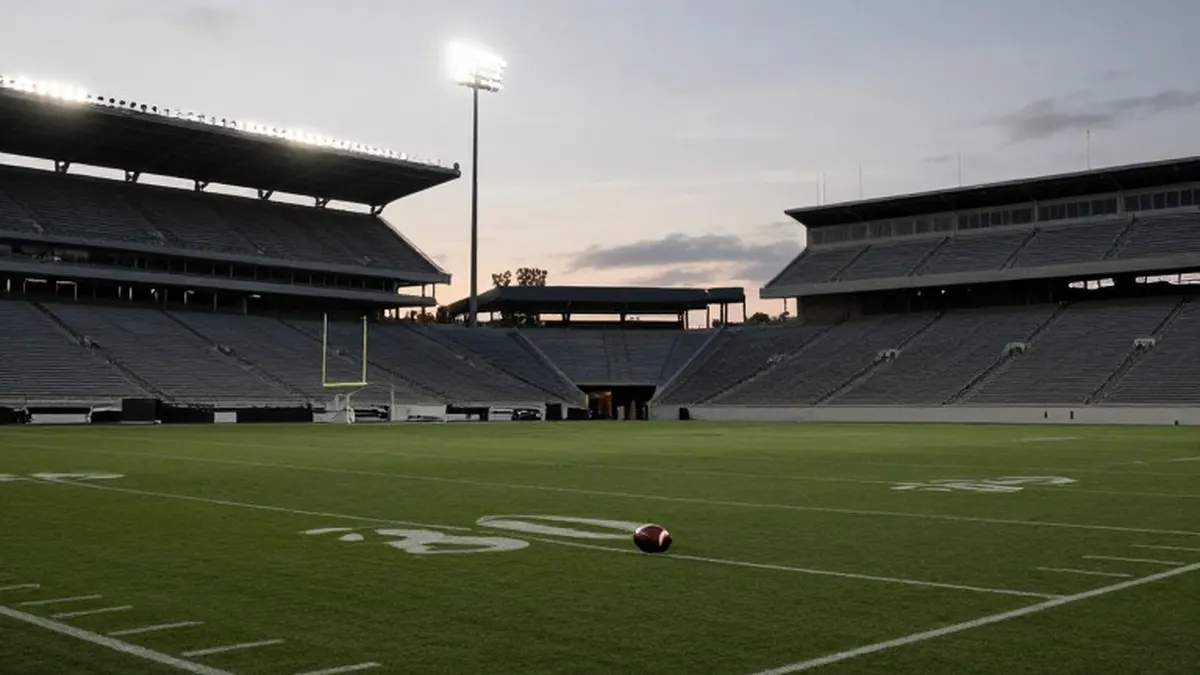
A new study from Harvard University reveals that the largest data centers in the United States collectively consume an amount of energy rivaling that of individual states and small countries. The research focuses on hyperscale facilities, which are expansive structures often covering areas equivalent to multiple football fields. Between 2024 and 2025, these specific sites used 82 terawatt-hours of electricity, representing 1.8% of the total U.S. power consumption. This volume is approximately equal to the annual electricity usage of the state of Missouri or the nation of Denmark.
In addition to their massive energy demand, these facilities contributed to environmental emissions. The combined output from the studied sites resulted in 26 metric tons of carbon dioxide. Gianluca Guidi, a Harvard scientist and the lead author of the paper published in Nature Sustainability this week, explained that the team spent two years analyzing the electricity use and emissions from 403 hyperscale data centers. The analysis covered the period from May 2024 to April 2025.
Guidi noted to CBS News that the figures likely represent an understatement of the total energy consumption. This is due to the rapid pace of artificial intelligence construction across the country. The data collection ended in April 2025, a timeframe that Guidi described as ancient history in the context of AI development. Since then, the number of large-scale operating facilities in the U.S. has more than doubled, with an additional 2,000 currently planned or under development. He emphasized that the industry is expanding faster than researchers can currently track.
The study underscores the heavy reliance of AI on data centers and the significant environmental footprint of these operations. Guidi explained that every digital interaction, from sending emails and posting photos to streaming shows and querying generative AI, passes through these buildings. These windowless structures house tens of thousands of computers that operate continuously. Because the machinery generates substantial heat, it requires constant cooling, effectively turning the sites into factories that never sleep.
Although Guidi is a proponent of AI and excited by its capabilities, he has called for greater transparency in the planning and construction of these facilities. He argued that assessments of environmental impact and public input should occur before buildings are constructed, rather than after the fact. Guidi questioned whether society is confusing what is possible or profitable with what is genuinely good for the public interest.
He issued a direct challenge to major hyperscalers such as Amazon, Meta, and Microsoft. Guidi stated that the industry has already proven it can build AI infrastructure rapidly, and now it must demonstrate that it can build it correctly. This call for better practices comes amid ongoing discussions about the energy sources powering these new technologies.
Earlier this week, negotiators at the United Nations COP31 climate talks in Turkey introduced a voluntary pledge. The initiative calls on companies and governments to power artificial intelligence with cleaner energy sources. Simon Stiell, the United Nations climate chief, launched the pledge on Monday. He warned that people cannot be asked to accept higher bills, increased pollution, and deeper inequality today in exchange for promises of a better future. Stiell argued that claims about future emissions savings do not excuse rising pollution now, which makes climate disasters worse.
Despite the launch of this international initiative, the pledge has yet to attract signatures from the U.S. tech companies that are primarily driving the current AI buildout.
Originally published by News Media House
More News · National news · Report a business · Got a Story?