Kim Orders Expansion of Nuclear Arsenal After Trump Meeting Fails
North Korea’s leader toured new enrichment plants and warhead halls, declaring the state’s nuclear buildup an irreversible reality.
By Robert Ward ·
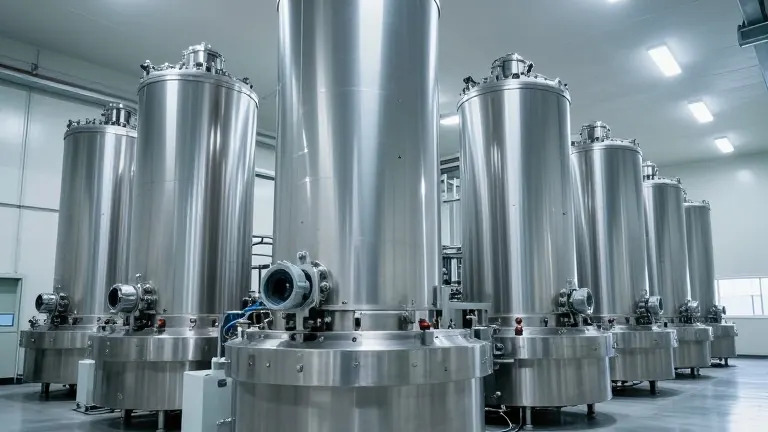
North Korea is operating four uranium enrichment facilities that run every day, according to data released last year by South Korea’s Unification Minister Chung Dong-young. The country’s leader, Kim Jong Un, visited two of these nuclear materials production sites this week. He inspected a newly inaugurated factory and another that is currently being expanded.
The tour took place days after U.S. President Donald Trump offered to meet with Kim during a recent trip to Asia. Pyongyang did not publicly accept the overture. Instead, the North Korean leader used the facility visits to reaffirm his rejection of talks aimed at dismantling the nuclear program. Kim described the strengthening of defense capabilities as a response to variable nuclear threats approaching the Korean Peninsula moment by moment.
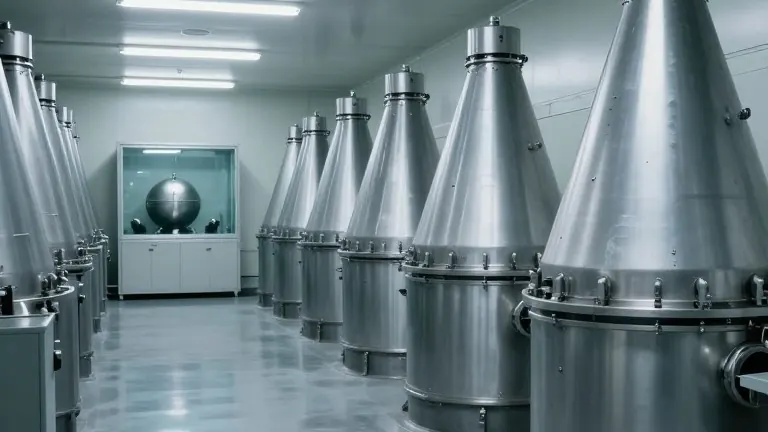
Photos released by the official Korean Central News Agency on Thursday showed Kim walking between dense rows of centrifuges. These machines are used to produce weapons-grade uranium. The images also showed him touring halls that displayed what experts believed to be warheads. Some of the released photos were blurred. KCNA stated that Kim also visited a nuclear-powered equipment production base and a nuclear research institute on Wednesday.
Kim justified the expansion by citing threats from the United States and South Korea. He accused the U.S. of inciting regional allies to possess nuclear-powered submarines and sharing its nuclear weapons with them. Kim stated that the validity and substantiality of North Korea’s possession of nuclear weapons is an irreversible reality. He called the deployment of low-yield battlefield nuclear weapons across multiple domains urgent given the border with what he referred to as the most dangerous enemy state, a reference to South Korea.
Moon Seong Mook, an analyst at the Seoul-based Korea Research Institute for National Strategy, said the visit served to show off the evolving nuclear arsenal. Moon noted that the basic U.S. position that North Korea must denuclearize remains unchanged. Therefore, Kim wants to demonstrate power and reject denuclearization talks if the U.S. seeks a meeting. Moon also said the tour likely involved checking progress on state objectives ahead of a year-end Workers' Party conference.
South Korea’s Defense Ministry said it takes Kim’s comments on battlefield nuclear weapons seriously. The ministry stated that Seoul maintains firm military readiness against Pyongyang’s nuclear threats under the alliance with the U.S. The Joint Chiefs of Staff declined to share an analysis of the reported nuclear facilities, labeling the information as confidential for both South Korea and the U.S.
President Trump reiterated his eagerness to restore diplomacy with Kim during his visit to China for the Asia-Pacific Economic Cooperation summit last week. In an interview with the New York Post this week, Trump dismissed the idea that Kim had rebuffed his outreach. He said the leaders had many options during a busy two-day period and that there would be a time to meet. Trump claimed he could revive diplomacy at any time by restarting the exchange of letters, though he acknowledged they had not corresponded recently.
Kim has previously stated he could return to talks if the U.S. drops its hostile policy and respects North Korea’s status as a nuclear state. Experts say Kim aims to win international recognition as a nuclear state to demand the lifting of international sanctions. Last week, International Atomic Energy Agency Director General Rafael Grossi assessed that North Korea has been expanding its original uranium enrichment facility at Yongbyon. He called the move a cause for serious concern.