Israel Deports 40 Foreigners in Six Weeks Amid Rising Entry Bans
Police data shows a spike in removals from the West Bank, while legal experts cite political motivations behind the decisions.
By Robert Ward ·
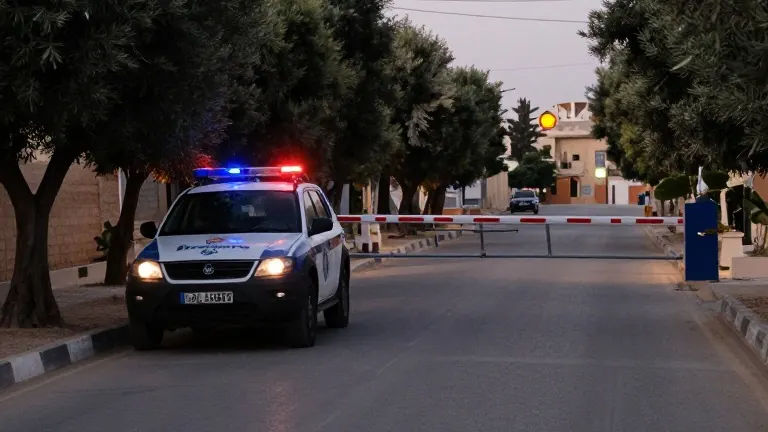
Forty foreign nationals were removed from the West Bank between October 9 and November 8. The removals were executed by Israeli police in a series of operations. Two distinct groups of fourteen activists were deported roughly one week apart during this period. This activity marks a sharp rise in enforcement actions against foreigners in the region.
The trend accelerated over the last three years. During that time, a dedicated unit within the Judea and Samaria District Police began handling arrests and interrogations of foreign nationals. Alon Sapir, an attorney for many of these individuals, stated that dozens of deportations now occur every month. He noted that such actions were nearly nonexistent before the unit was established. Sapir said police actively search social media for evidence of anti-Israel activities. Officers sometimes deploy to the field to locate specific people based on online footage.
Recent arrests often occurred during the annual olive harvest. This season is frequently marked by heightened tensions. A review of police statements revealed discrepancies with the accounts of those deported. One Chilean journalist was arrested near Ramallah while documenting the harvest. Police accused her of entering a closed military zone. She said she was not informed of the zone's status until after her detention. She was subsequently deported and barred from reentry for ten years.
Police officials stated that the deportees were suspected of inciting against Israel or supporting boycott movements. They also cited backing for terrorist organizations. The Population and Immigration Authority provided data showing a large increase in entry refusals for Americans and British citizens in 2025. The authority reported 138 Americans and 315 British nationals were denied entry on public order concerns. Critics argue the rules are applied selectively, noting that state-supported volunteer programs for Jewish families are rarely subject to the same enforcement.
Lawrence Shenkin, a British Jew and religious volunteer, represents a different category of case. He has been living in his parents' home in Britain for several months. Israeli authorities revoked his permission to remain in the country. Shenkin volunteered with the group Bnei Avraham to help protect Palestinian communities from settler violence. He was in the process of becoming a citizen under the Law of Return. His immigration application was rejected in August. He was later told he was barred under a provision of the Entry into Israel Law regarding public calls to boycott Israel or support international prosecutions. Shenkin, who describes himself as a passionate and religious Zionist, denied these allegations and has appealed the decision.
Michael Sfard, an attorney who represented Shenkin, argued that Israel has the right to control its borders. He stated that the state should not screen individuals based on political considerations. Sfard noted that the West Bank is under temporary administration, not full state sovereignty. He contended that deportation should generally be reserved for those posing a security threat.
The issue was raised before the Knesset's Immigration, Absorption and Diaspora Affairs Committee in October. Committee chair Gilad Kariv accused authorities of political harassment against young immigrants whose opinions differ from the government. The Population Authority stated that each case is examined individually. Shenkin remains in Britain after being stonewalled by officials for months before receiving an email explaining his bar from entry.