Holiday Boundaries: Jackson clinicians advise setting limits before the feast
Local experts suggest preemptive conversations and scaled back plans to reduce anxiety during the Thanksgiving season.
By Robert Ward ·
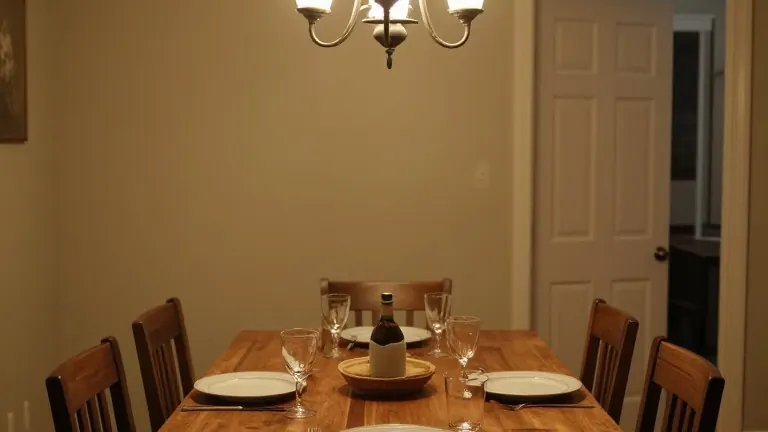
The season brings a heavy burden of social and financial expectations for many families in Jackson, according to two local mental health experts.
Dr. Damien Thomas, CEO of Resilience Counseling and Recovery Center, noted that individuals often impose unrealistic standards on themselves during this period. He said this pressure frequently manifests as an attempt to cook the best meals or manage multiple events simultaneously. Thomas encouraged people to grant themselves permission to simplify their holiday preparations.
Psychiatrist Dr. Katherine Pannel addressed the influence of media on holiday perceptions. She said images from Hallmark movies and social media often create a false standard of perfection. Pannel advised residents to enter the season with realistic expectations, acknowledging that the time can be difficult and will not be flawless.
Both professionals recommended addressing potential friction points before guests arrive. Pannel suggested that individuals inform family members in advance about topics they wish to avoid during the meal. She said a simple preface stating that one is looking forward to seeing everyone but wants to steer clear of certain subjects can prevent conflict at the table.
Physical greetings also pose a challenge, particularly in Southern culture where hugging is common. Pannel observed that this expectation of physical contact can be uncomfortable for some adults and younger children. She proposed offering a high-five or fist bump as an alternative to the traditional embrace.
For those coping with the absence of loved ones, Thomas said long standing traditions can trigger difficult memories. He suggested using the time to create new rituals that honor those missing from the gathering. Thomas also urged people to maintain connections with supportive friends or family members rather than facing the season in isolation, noting that withdrawal can worsen anxiety and depression.