FracTracker: Colorado Drilling Chemicals Not Disclosed as Law Requires
A new analysis alleges regulators are exempting drilling fluids from state disclosure mandates, leaving 43,000 residents near wells without full data on nearby toxicants.
By Ibrahim Howard ·
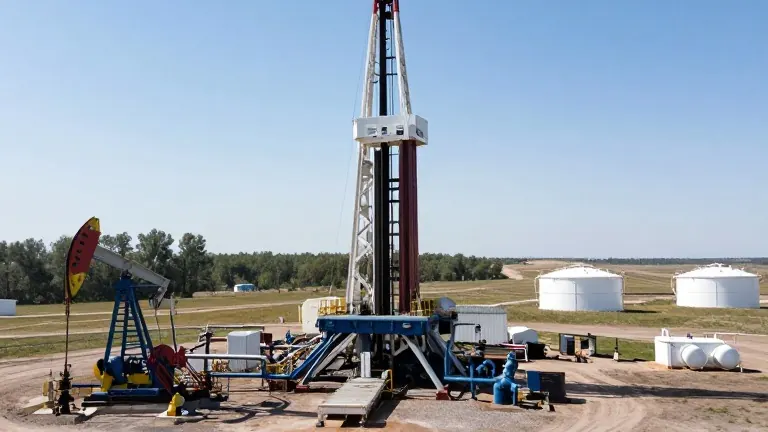
A non-profit called the FracTracker Alliance says Colorado's fossil-fuel industry is breaking state law by hiding the chemicals used in drilling. The group's new analysis, released in November 2026, argues that regulators are incorrectly treating drilling as separate from production. Because of this distinction, operators do not have to publish the lists of chemicals pumped into the ground during the initial drilling phase.
Colorado passed a law in 2022 that requires energy companies to make public all chemicals used in downhole oil and gas production. The rule aims to give neighbors and local agencies a clear view of what is being put into the earth. However, the state regulatory body, the Colorado Energy and Carbon Management Commission, or ECMC, has exempted drilling compounds. The agency claims that drilling is not part of production. FracTracker argues this interpretation contradicts the standard definition used by legislators, public health groups, and the industry itself.
Shannon Smith, the executive director of FracTracker, called the situation a public health crisis. She told The Guardian that the lack of transparency leaves regulators guessing about the total impact of these chemicals on local communities. About 43,000 people live within one mile of the state's oil and gas wells. Many of these residents live within a few hundred feet of the wellheads.
State records show that at least five chemicals used in fracking are prohibited by Colorado law, yet they have been reported for use on well pads. The group also identified three highly toxic compounds that raised serious safety concerns. Among the banned substances are 1-butanol, 2-butoxyethanol, 1,4-dioxane, N,N-dimethylformamide, and BMPA. Some of these chemicals are linked to cancer, liver disease, and harm to developing children.
The report notes that wells operated without disclosing drilling chemicals for a combined 843,369 days from the time the rules took effect until May 16. This gap in data creates uncertainty about compliance with other state laws. A recent Colorado law banned the use of PFAS at oil and gas sites. Industry literature suggests PFAS is a common drilling chemical. Horwitt, the group's senior research and policy counsel, said the lack of disclosure makes it difficult to know if companies are following the PFAS ban.
Records from Ohio show frequent use of xylene in drilling fluids. Xylene can cause headaches, dizziness, and confusion, and in high doses it can be fatal. The FracTracker analysis also pointed to permitted but harmful chemicals like acrylamide, ethylene oxide, and methanol. These substances were disclosed for use at a well in Galeton. In April 2025, that well sprayed a geyser of gas and at least 3.7 million gallons of fluid for more than four days.
Meg Froelich, the state representative who co-wrote the 2022 legislation, said she intended for drilling chemicals to be included in the disclosure requirements. She accused the ECMC of word-parsing and stalling. Froelich said the law covers everything that goes downhole because those materials have the potential to affect neighbors. She noted that the regulatory agency has historically promoted the industry and has only recently shifted toward protecting public health.
In a statement, an ECMC spokesperson said the agency is aware of differing views on the scope of the chemical disclosure requirements. The spokesperson added that the agency is applying the law under the current framework while working with stakeholders to clarify the issues. Chevron, one of the state's top producers, said in a statement that it is committed to safe operations and takes chemical disclosure requirements seriously. The company said it remains focused on meeting its obligations.
The report follows a previous analysis that found Colorado companies pumped at least 30 million pounds of secret chemicals into the ground over an 18-month period. At that time, about 60% of fracked sites had not disclosed their chemicals. Advocates say compliance is now closer to 100% for fracking fluids, but the drilling chemicals remain hidden. This new data adds to the concerns of residents who report noise, bad air, and health issues from living near the wells.