Fossil fuel dispute stalls COP31 talks in Turkey
Negotiations at the Antalya climate summit reached a stalemate as delegations clashed over the omission of fossil fuel language and funding for adaptation.
By News Media House Staff ·
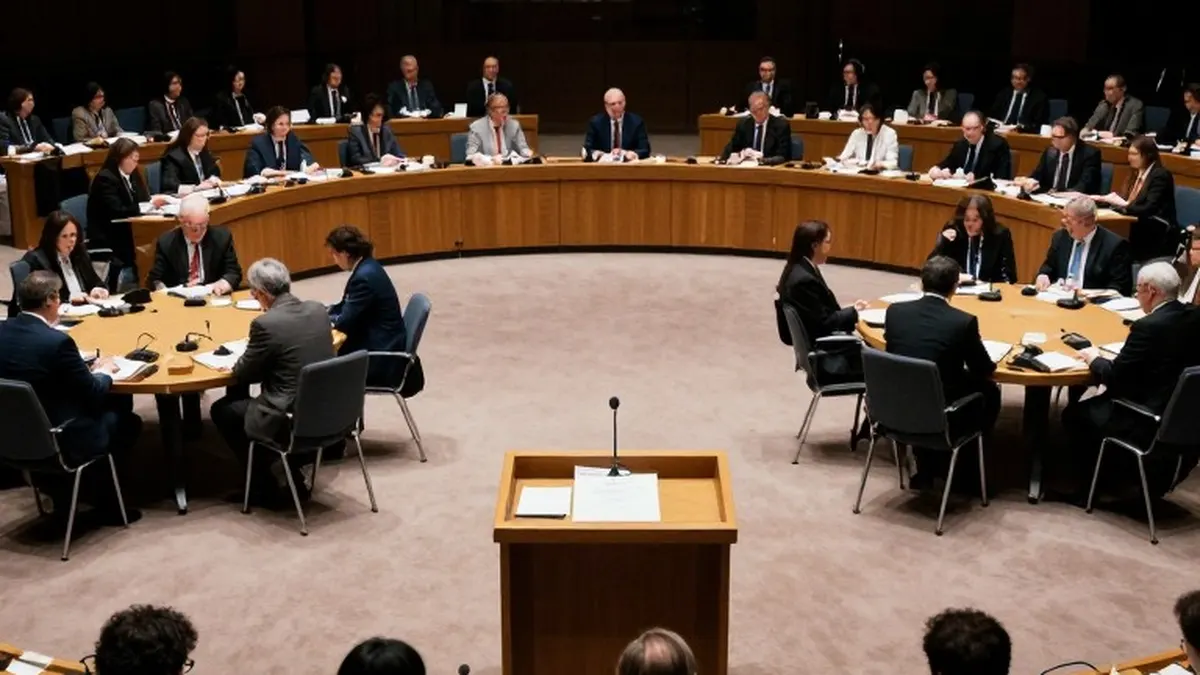
Negotiations at the COP31 United Nations climate summit in Turkey have entered a state of deadlock after talks extended through the night without a consensus. Delegations remain divided over the terms of a new global climate agreement, with key sticking points centering on the role of fossil fuels and financial support for developing nations.
A significant intervention occurred late on Friday when a coalition of countries, led by France and Panama, challenged the current draft of the agreement. The primary objection was the absence of any explicit reference to reducing global demand for oil, gas, and coal. This pushback comes after fossil fuel producers, with Saudi Arabia at the forefront, successfully lobbied for the removal of such language from earlier versions of the text.
Juan Carlos Navarro, the Panamanian minister for the environment, voiced strong dissatisfaction with the draft. He stated that it is unacceptable for a major climate summit to produce a decision that does not even mention fossil fuels. His sentiments were shared by Monique Barbut, the French Minister of Ecological Transition, who criticized the text for emphasizing carbon capture, use, and storage. Barbut argued that focusing on this technology could serve as a license for nations to continue burning hydrocarbons without significant change.
Barbut highlighted the urgency of the situation, noting that the world is now entering a period of overshoot where global temperature rise is expected to exceed 1.5 degrees Celsius. For the first time in a conference of this nature, the draft agreement, officially named the Antalya Accords, acknowledges that the target of keeping warming below 1.5 degrees Celsius has been missed. Scientists warn that this overshoot will expose millions more people to extreme heat and rising sea levels.
While several European Union nations, including Spain, Belgium, Sweden, and Finland, joined the island states and Panama in demanding a commitment to move away from fossil fuels, other EU members chose to abstain from the rebellion. These nations believed that a unified front was less helpful to the ongoing negotiations. One lead negotiator expressed sympathy for the dissenters, questioning how a climate agreement could function without acknowledging the primary cause of emissions.
Chris Bowen, Australia's climate change and energy minister who is leading the negotiations, pushed back against the demands for specific fossil fuel language. He argued that the focus of this particular summit should be on implementation and the transition toward clean energy sources rather than revisiting the phrasing of previous agreements. Reports suggest a potential compromise is being explored where fossil fuels would remain off the table in exchange for Saudi Arabia and other petro states signing a pledge to generate 35 percent of their power from electricity by 2035.
Beyond the debate over energy sources, the Africa Group is fighting to secure stronger commitments regarding adaptation finance. The group argues that developing nations, which are suffering the most from the impacts of anthropogenic activities, need adequate funding to cope with climate change. Zanetor Agyeman Rawlings, Ghana's Environment Minister and chair of the African Group, emphasized that their delegation did not come to the summit to beg but to claim what is rightfully theirs.
Earlier drafts of the agreement included a provision to ramp up adaptation funding to 120 billion dollars by 2035, but this specific target has since been removed from the text. This deletion has intensified the frustration among developing nations who feel their financial needs are being overlooked. A new and potentially final version of the agreement is expected to be published on Saturday, offering a last chance to resolve these deep-seated disagreements.
Originally published by News Media House