EU aims for six ASEAN trade deals by 2027
Brussels seeks to expand free trade agreements with Southeast Asia, but business leaders warn that implementation challenges remain.
By Ella Cox ·

European firms looking to do business in Southeast Asia may soon face fewer tariff barriers. The European Union currently has trade agreements with only two nations in the region. By the end of 2027, Brussels could have deals with six countries.
This expansion coincides with the 50th anniversary of diplomatic ties between the EU and the Association of Southeast Asian Nations. An agreement with Indonesia is expected to take effect soon. A deal with the Philippines is nearing completion, and negotiations with Thailand and Malaysia are advancing.
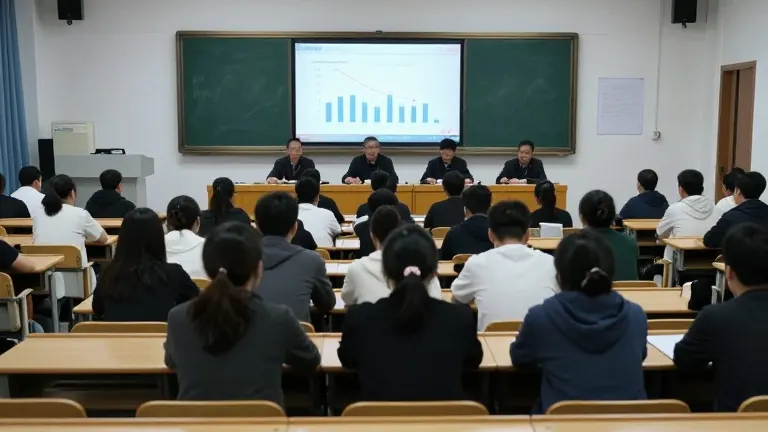
On November 17, the European Commission hosted a dialogue in Brussels to review these free trade agreements. Officials discussed progress on current and pending deals. However, experts say the focus should shift from signing documents to making them work.
Chris Humphrey, executive director of the EU-ASEAN Business Council, told Deutsche Welle that finalizing agreements is just the start. He noted that businesses often struggle to use new rules effectively. He stressed that communication and training are key to success.
Alfred Gerstl, an associate professor at Palacky University Olomouc, added that smaller European companies need more support. These firms often lack experience in the region. They require practical guidance on local business practices and unwritten rules. Gerstl suggested expanding assistance through European chambers of commerce and EU offices.
Camille Nessel, a researcher at the Université Libre de Bruxelles, pointed to specific examples of regulatory friction. In Vietnam, pressure from Brussels improved market access for pharmaceutical firms. In Indonesia, the EU has worked on trade facilitation while addressing import restrictions and halal certification requirements.
Trade policy also serves geopolitical goals. The EU seeks to reduce dependence on a few suppliers for minerals needed for batteries. Indonesia wants foreign investors to help develop domestic processing industries rather than just buy raw materials. The two sides have already clashed over nickel export restrictions.
Pasha Hsieh of Singapore Management University highlighted delays in ratifying existing investment protection agreements with Singapore and Vietnam. These deals, signed in 2018 and 2019, still require approval from all EU member states. Hsieh noted that such delays undermine confidence in negotiated commitments.
More Business · Consumer Alerts · Report a business · Got a Story?