David Ayer Joins Ryan Kavanaugh's ACME AI as Managing Partner
The director will help lead a new firm using performance transfer technology to film complex scenes without leaving a soundstage.
By News Media House Staff ·
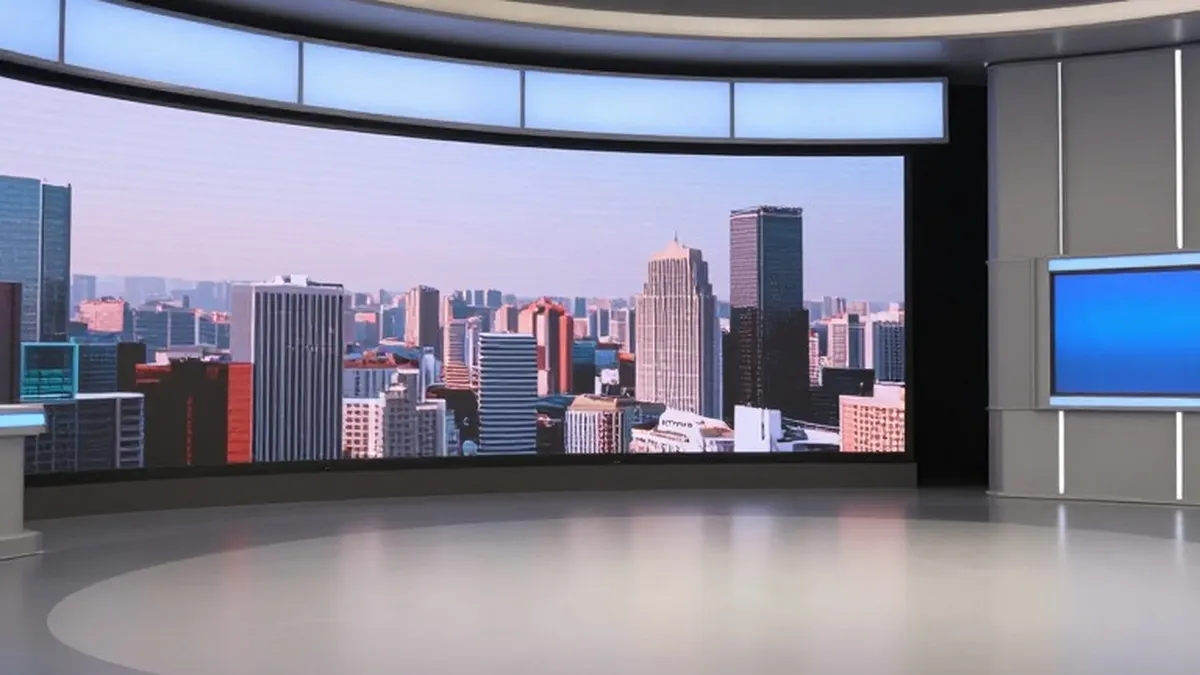
David Ayer has officially joined ACME AI as a principal and managing partner, signaling a significant pivot in his filmmaking approach toward artificial intelligence. The company was founded by Ryan Kavanaugh, a former co-founder of Relativity Media, and specializes in a technology known as Grey Box. This system allows directors and actors to shoot full scenes in diverse locations without physically traveling to those sites.
Ayer expressed his enthusiasm for the technology upon first seeing its capabilities. He compared the experience to a cowboy encountering the first automobile, stating that he felt compelled to learn how to drive this new car or risk losing his job. The core of the technology is called performance transfer, which preserves above-the-line creative work while drastically reducing the costs associated with below-the-line production elements.
ACME is part of a growing wave of filmmaker-centric companies, including Innovative Dreams and Deep Voodoo. These firms enable actors to perform dynamically against realistic backdrops on a soundstage. This method functions similarly to a digital green screen but applies to the entire environment. It allows for scenes such as romantic encounters in front of the Eiffel Tower or chase sequences through Tokyo to be filmed without leaving a studio.
Proponents of the technology argue that it preserves the physical aspects of acting while lowering costs for studios and reducing environmental impact. They describe the process as akin to remote work for actors. However, critics worry that the method may diminish the serendipity of physical locations and affect the livelihoods of on-set workers. While department heads like production designers and lighting artists would still be employed, their roles would shift to more supervisory or advisory capacities rather than active set management.
Ayer believes the financial advantages of the technology are worth the tradeoffs. He noted that a major part of his job involves negotiating budgets, and this technology brings many stories within reach that were previously too expensive to produce. ACME estimates that by eliminating the need for travel and physical setup, the technology can reduce time and money costs by between 50 and 75 percent.
To achieve photorealism, ACME mapped various lenses and lighting packages and combined them with models that recreate the physical world. The Grey Box system is currently located on a dedicated stage in Los Angeles, though the company plans to rent the technology to other studios, similar to how soundstages are currently leased. The system could theoretically be replicated in other locations in the future.
The technology has already been put to use in recent productions. Director Doug Liman recently completed shooting Bitcoin, a drama about the origins of cryptocurrency starring Casey Affleck, using ACME’s Grey Box. The film explores the story of Satoshi Nakamoto and utilized global settings, including Australia, without requiring the cast and crew to leave the stage for most of the production.
The success of such projects raises questions about the future of filmmaking. If big-budget spectacles can be produced at mid-budget prices, studios may pressure more projects to lower their costs. There are also concerns about who will still be granted the freedom to shoot in intensive physical locations for extended periods. Ayer, who has a background in the Navy and a career spanning films like Training Day and Suicide Squad, sees this as a way to reduce friction in the filmmaking process.
Ayer, whose recent work includes the hit film Beast starring Brad Pitt, has several projects in development that could be redirected to use the Grey Box. He believes this shift will benefit actors and directors by allowing them to focus on the fine craft of directing. He described the new staging process as similar to a Broadway play, where the outcome is predictable and the worry about weather or location issues is removed.
As the industry adapts to these new tools, the balance between traditional on-location shooting and digital creation continues to shift. Ayer’s involvement suggests that established directors are embracing the technology to streamline production and expand the types of stories that can be told within reasonable budgets.
Originally published by News Media House
More News · National news · Report a business · Got a Story?