COP31 Collapse Exposes Deep Flaws in Global Climate Diplomacy
The failure to reach a consensus at COP31 in Antalya reveals systemic flaws in climate negotiations, where powerful interests continue to block decisive action on fossil fuels and finance.
By News Media House Staff ·
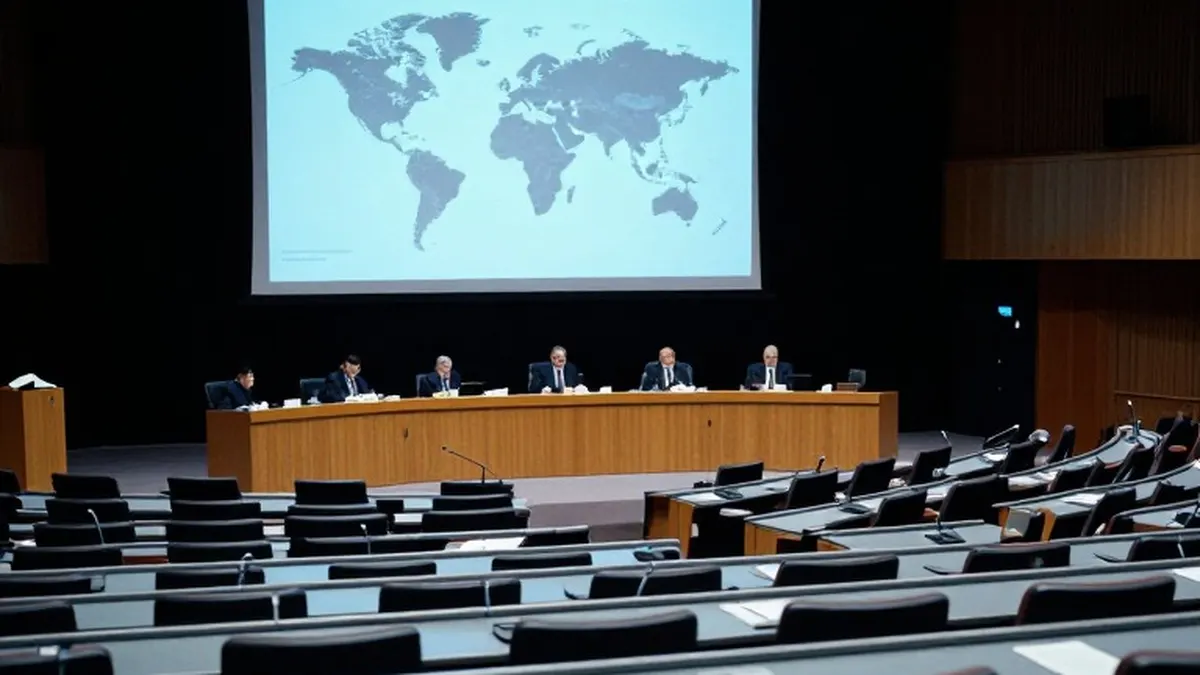
The thirty-first Conference of the Parties, or COP31, concluded on Sunday in Antalya, Turkiye, without a comprehensive final agreement. Nearly 200 participating nations failed to reach consensus on a final climate pact, marking the first such significant breakdown since 2009. The proposed text faced rejection from the European Union, several Pacific island states, and other governments, largely because it failed to explicitly name fossil fuels as the principal cause of global warming. Oil-producing countries resisted stronger language, creating a stalemate that ended three decades of annual summits without a unified outcome.
While the event may appear as an extraordinary diplomatic failure, it highlights a more enduring structural issue. The current negotiation system has become effective at keeping governments engaged while avoiding the economic shifts required for meaningful action. The process is designed to accommodate powerful interests that can prevent decisive outcomes, rather than simply producing no agreements at all.
The central contradiction in Antalya was the omission of fossil fuels from the final draft. This was not a clerical error but the result of weakening earlier language regarding the transition away from oil, gas, and coal. The summit failed to agree on how to implement the 2023 COP28 decision to transition energy systems away from fossil fuels. What should have served as a starting point for action became the point where diplomacy fractured.
This dynamic is built into the Paris Agreement framework, which allows governments to determine their own emissions commitments without an enforcement mechanism to compel changes in fossil-fuel production. Because COP decisions rely on consensus, determined holdouts have considerable leverage. This structure allows the most reluctant participants to limit what other nations can agree to, both in terms of language and action.
Despite this, not all countries are equally responsible, and previous summits have achieved some gains. The Paris framework established common goals, and climate conferences have encouraged investment and cooperation. Antalya did adopt limited decisions on other matters, including a just transition. However, these gains do not substitute for a credible timetable to wind down fossil-fuel extraction, distinguishing diplomatic activity from structural change.
Power dynamics extend beyond the conference hall. Producing states defend their revenues and geopolitical influence, while consuming states rely on cheap energy and established infrastructure. Governments often face incentives to protect domestic industries and voters from immediate costs. The global energy transition is therefore a struggle over who must relinquish assets, profits, and power, not just a technological challenge.
The appeal of technological promises also played a role. The failed draft promoted carbon-removal technologies to address warming beyond 1.5C, while disputes centered on carbon capture and storage. While these approaches may have limited roles in hard-to-abate sectors, they are often presented as substitutes for reducing extraction. This allows governments and corporations to promise that future machines will repair damage, providing immediate political benefits while atmospheric results remain uncertain.
Structural inequality also shapes climate finance. Countries with lower historical contributions to warming face mounting costs from droughts, floods, and displacement. The proposed target of 120 billion dollars for adaptation disappeared from the revised text, and disputes over financial commitments helped sink the talks. Wealthy governments can celebrate ambition while leaving poorer nations to borrow or absorb losses, treating finance as discretionary charity rather than a responsibility for harms produced by an unequal economy.
A different climate politics would begin with enforceable plans to end new fossil-fuel expansion, with richer countries moving first. It would fund adaptation and loss and damage through reliable, grant-based transfers rather than debt-creating loans. Additionally, it would give vulnerable countries greater influence over decisions that determine their futures. This approach does not abandon multilateralism but refuses to confuse its survival with success, requiring complementary agreements and domestic regulation to avoid universal delay.
Originally published by News Media House