Congressional Cemetery Hires First Death Doula
Laura Lyster-Mensh leads conversations on mortality at the historic Washington, D.C., burial ground.
By Ibrahim Howard ·
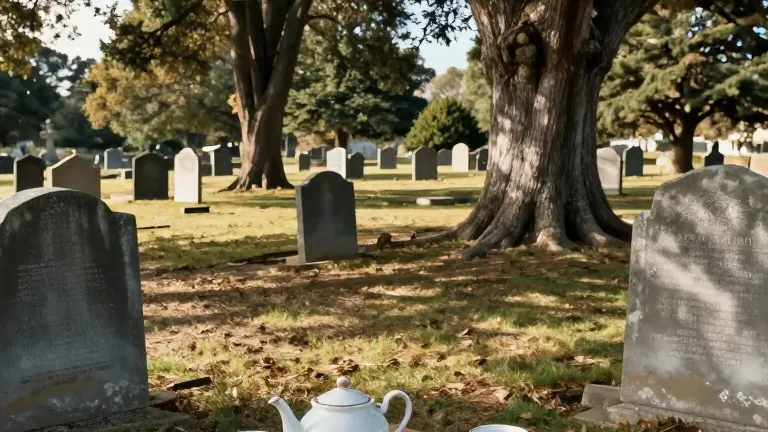
Historic Congressional Cemetery in Washington, D.C., has hired a death doula to guide visitors through conversations about mortality. Laura Lyster-Mensh is the first end-of-life specialist employed by a national landmark cemetery in the nation's capital. Her role focuses on what she terms "death positivity," a practice intended to make discussions about dying less fearful and more open.
A death doula provides support during the end-of-life process. This assistance includes planning final moments and offering respite to exhausted caregivers. Lyster-Mensh applies this professional background to the unique environment of a historic burial site. She walks through the grounds with visitors to discuss death without fear, curiosity, or awkwardness.
The concept of "death positivity" can appear counterintuitive to those who are grieving. Lyster-Mensh acknowledged that the phrase might initially seem disrespectful. She explained that the approach is actually about living better. By viewing death as a boundary, individuals can recognize the preciousness of their lives. This perspective helps people feel more at ease with the inevitability of passing.
Lyster-Mensh conducts her work through regular events known as death cafes. During these gatherings, she serves tea and cookies. She also uses a specific deck of cards called "the death deck." The cards are designed to prompt conversation about mortality. Visitors often initially resist the topic, stating they do not want to discuss death. However, using the cards helps them start real conversations with people they care about. These interactions allow participants to learn about the values and thoughts of their loved ones.
Lyster-Mensh noted that many people avoid these uncomfortable conversations until it is too late. She believes that slowing down is essential for a good life. People often rush through grief and happy moments alike. She argued that one cannot be truly present if they are hoarding experiences. This advice forms part of the guidance she offers to cemetery visitors.
The hiring marks a shift in how historic institutions in Washington engage with the public. The cemetery serves as a national landmark in the heart of the city. Lyster-Mensh's presence adds a new layer of interaction for those visiting the site. Her work aims to normalize the discussion of death in a place already associated with it. The program is ongoing at the cemetery.