Buyers Prioritize Walkability Over Yard Size in Kansas City Suburbs
New surveys show 63% of buyers will pay more for homes near shops, a trend driving competition in Prairie Village and Brookside.
By Robert Ward ·
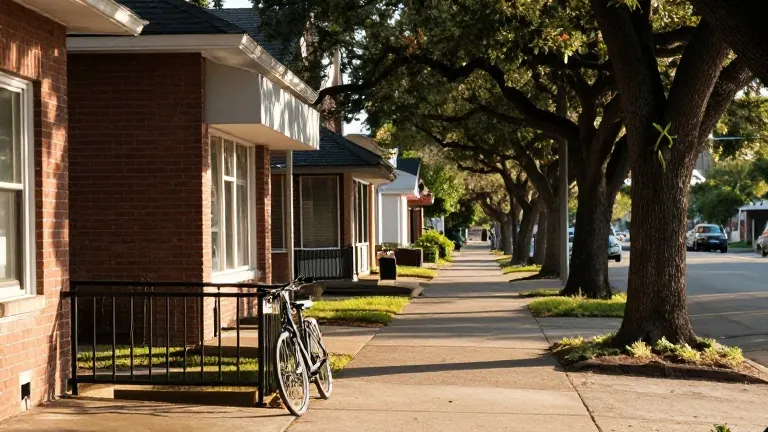
Buyers in Kansas City suburbs are increasingly trading square footage for convenience, with a majority stating they will pay a premium to live within walking distance of daily amenities. This shift is creating specific price pressures in established neighborhoods where sidewalks connect homes to local businesses.
Zillow’s 2026 survey identified walkability as the top feature among six options presented to buyers. Sixty-one percent of respondents rated it as very or extremely important. This placed it ahead of proximity to shopping and services at 53%, a sense of community at 51%, and commute time at 49%.
The National Association of Realtors conducted its own 2026 survey to test how buyers value space versus access. Fifty-nine percent of respondents chose a smaller yard in a walkable neighborhood over a larger yard that required driving. Additionally, 63% indicated they would pay more for a home located within an easy walk of parks, shops, and restaurants.
These preferences are influencing the market in Prairie Village and Brookside. Both communities sit on opposite sides of State Line and feature mature trees, neighborhood parks, and walkable commercial districts. Residents can walk to the Village Shops or Brookside shops for meals or errands. The source notes that these areas offer a different walking experience than nearby Mission Hills and Sunset Hill, which feature large lots and hills but require driving for daily needs.
The source argues that this demand is contributing to rising home values in these specific pockets. When buyers are willing to forgo a third garage bay or a larger backyard to live near weekly destinations, existing homes attract more competition. The perceived value of a ten-minute walk varies by block, with shady sidewalks feeling shorter than routes requiring crossing busy roads.
The source advises potential buyers to test the walkability of a property themselves. Instead of reviewing listing photos, buyers should leave the car parked and walk to a destination they would visit on a regular day. This assessment reveals the actual time required, the number of street crossings, and whether the trip is feasible on foot.
The article positions this walkability premium as a key factor in current real estate negotiations. It suggests that the tangible benefit of avoiding a drive for coffee or dinner is now a measurable financial asset for sellers in these specific Kansas City suburbs.
More Business · Consumer Alerts · Report a business · Got a Story?