Single Router Failure Grounds US Flights for Record Duration
A malfunctioning fiber data router triggered a nationwide ground stop that stranded 1.5 million passengers and led to chaotic government briefings.
By News Media House Staff ·
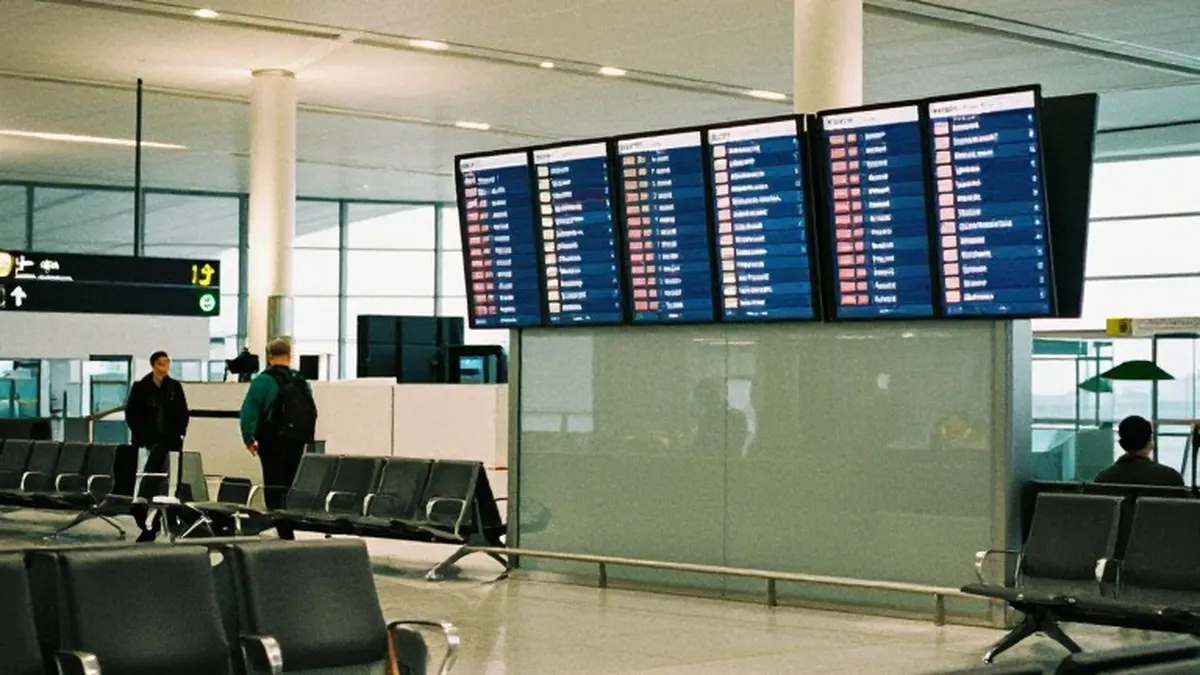
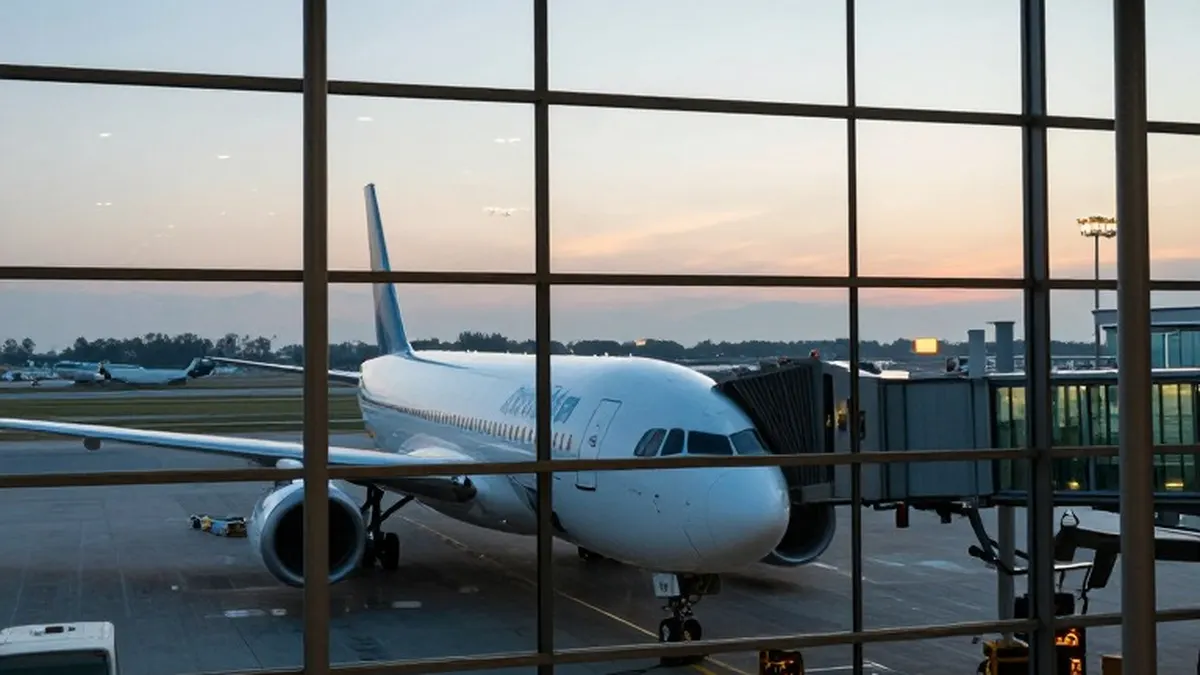
On Friday, November 13, the United States experienced its longest nationwide air traffic control outage since the September 11 attacks. The disruption began in the mid afternoon when communication failures spread across the Midwest, eventually leading the Federal Aviation Administration to issue a ground stop at 3:54 PM ET. For the next four and a half hours, no aircraft were permitted to take off within US airspace, leaving more than 1.5 million passengers stranded at airports across the country.
The root cause of the crisis was identified as a single faulty router within the FAA Telecommunications Infrastructure, or FTI. This system, built by L3Harris in the early 2000s, serves as the data backbone for air traffic control, linking over 4,400 aviation facilities. It is scheduled for replacement in 2028, but until then, it relies on incremental upgrades to maintain operation.
According to reports, L3Harris contractors replaced an old wired telephone switch with a new fiber data router at the FAA radio facility in El Dorado, Arkansas. Once activated, the router began sending hundreds of connection attempts per second. This surge in activity degraded network performance, causing the system to drop data packets. Unlike consumer apps that can compensate for minor data loss, air traffic control systems require near-perfect synchronization to function safely.
I-Hong Hou, a professor of electrical and computer engineering at Texas A&M University, explained that the instability caused a cascading failure. The malfunction cut off radio and radar feeds to 17 of the FAA’s 22 Air Route Traffic Control Centers. Technicians eventually isolated the faulty router in Arkansas and a second unit in Amarillo, Texas. Once these devices were taken offline, the network stabilized, and the ground stop was lifted at 8:15 PM ET.
The sudden halt resulted in the cancellation of more than 13,000 flights and the delay of over 25,000 others through the weekend, according to FlightAware. For travelers like Amanda Khera, the disruption arrived at a stressful moment. Her family was returning from a medical scare in Belize with her young son, and their connection through Atlanta was canceled. She described the uncertainty as frightening, noting that she did not know if pilots had full access to control towers.
While the technical failure created the crisis, the FAA’s communication strategy worsened public perception. For six hours after the ground stop began, the agency provided only a brief press release and a single social media post. At 11:30 PM ET, Transportation Secretary Sean Duffy and Homeland Security Secretary Markwayne Mullin held a press conference to address the incident.
The briefing was marked by confusing statements and conflicting narratives. Mullin joked about the date, Friday the 13th, and declared there was no cyberattack, instead blaming the FAA’s modernization project for overwhelming older systems. Duffy added that routers had become inconsistent due to data overload but did not rule out nefarious activity. A follow-up conference on Saturday was further disrupted by audio feedback and saw officials demand billions more in funding from Congress.
These shifting explanations fueled online rumors about cyberattacks or issues with the new SMART system, although no evidence supported these claims. The lack of clarity eroded trust among the public and prominent figures. Former National Security Adviser Mike Flynn suggested on social media that a DDoS attack was the likely cause, citing the officials' technical confusion.
For Khera and her family, the political backdrop was less important than the practical reality of being stuck in Atlanta. They rented a car and drove nine hours back to Virginia Beach, arriving late on Saturday night. Given the recent history of air traffic control incidents, including a midair collision over Reagan National Airport in 2025, the family does not plan to fly again for several months.
The incident highlights the fragility of aging infrastructure that forms the core of national aviation safety. As the FAA continues its modernization efforts, the event serves as a stark reminder that even minor hardware changes can have widespread consequences if the underlying systems are not fully robust.
Originally published by News Media House
More News · National news · Report a business · Got a Story?